Every format here works somewhere in a Miami corporate programme. The question is never which is best; it is what the room has space for, what the production schedule can carry, and which hour of the evening has nothing in it. At this level the comparison is between premium versions of each — a Brickell client dinner or a Miami Beach ballroom should not be weighing anything else.
01
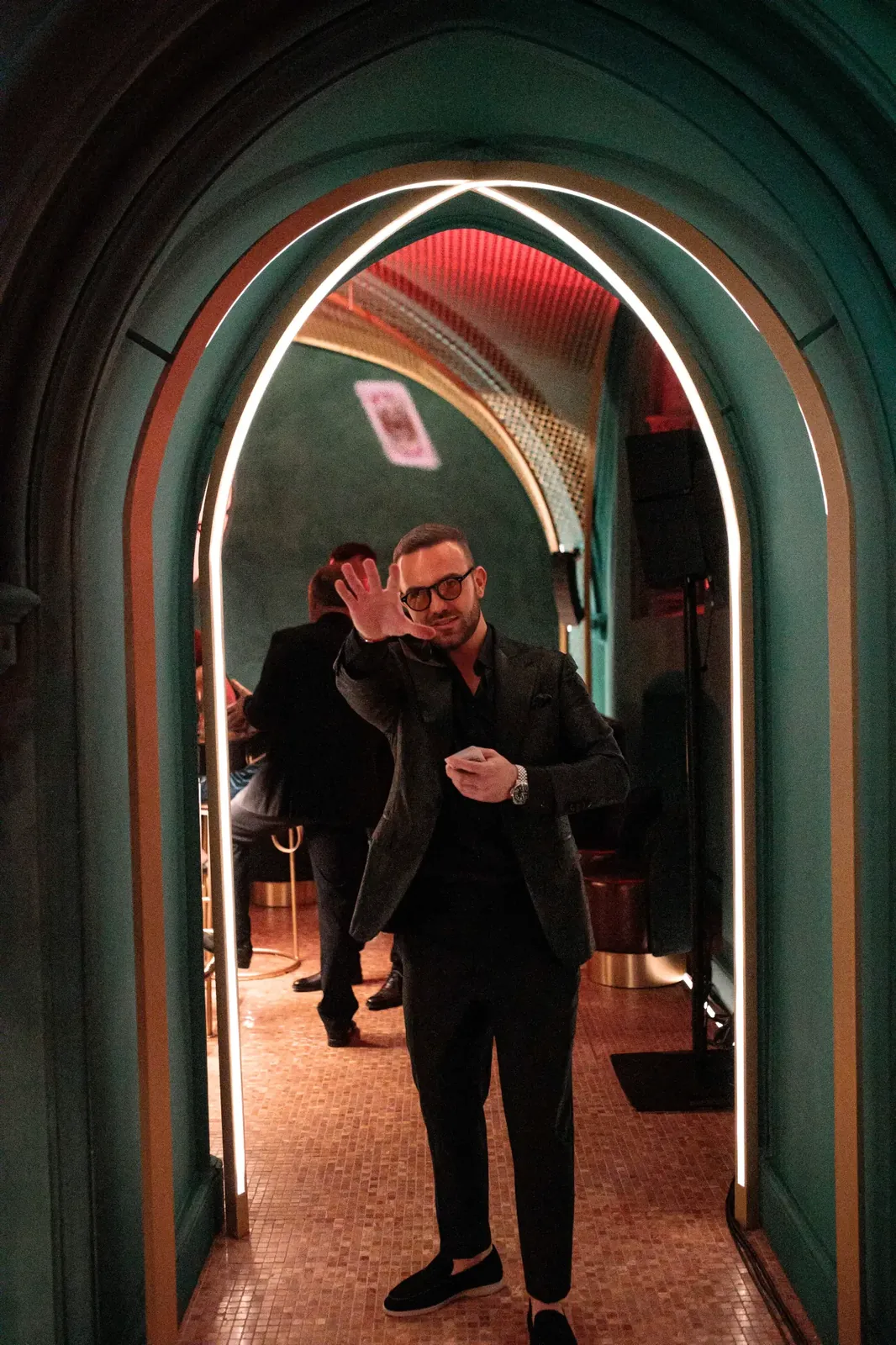
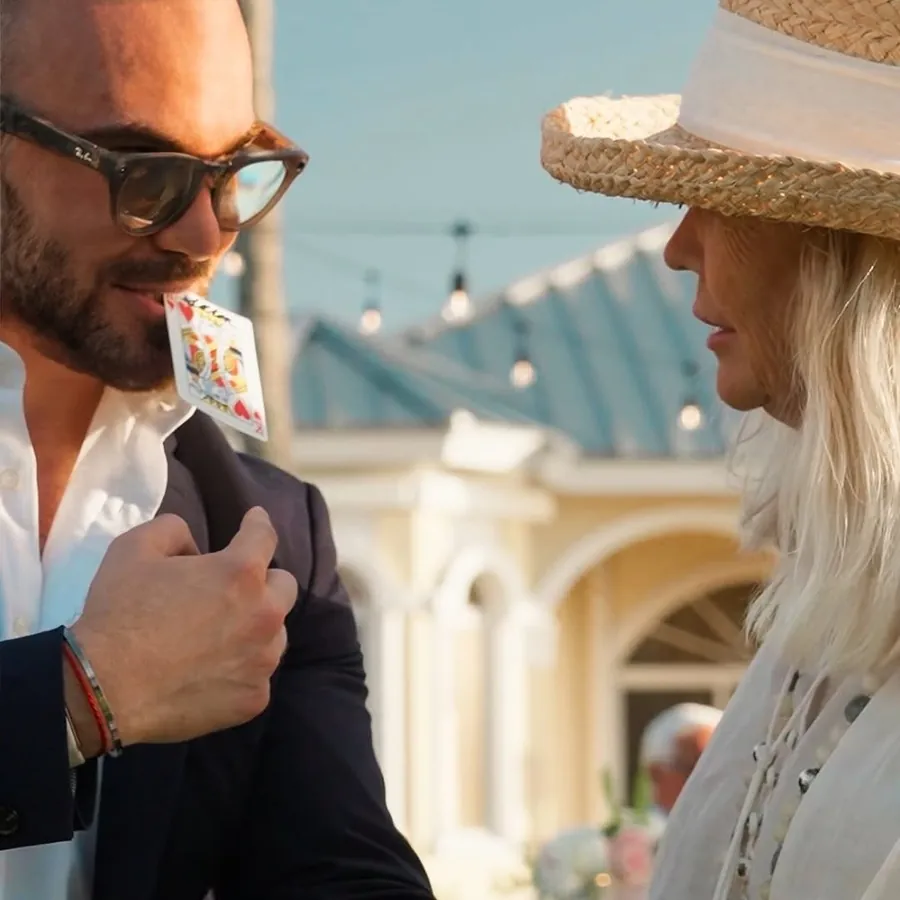
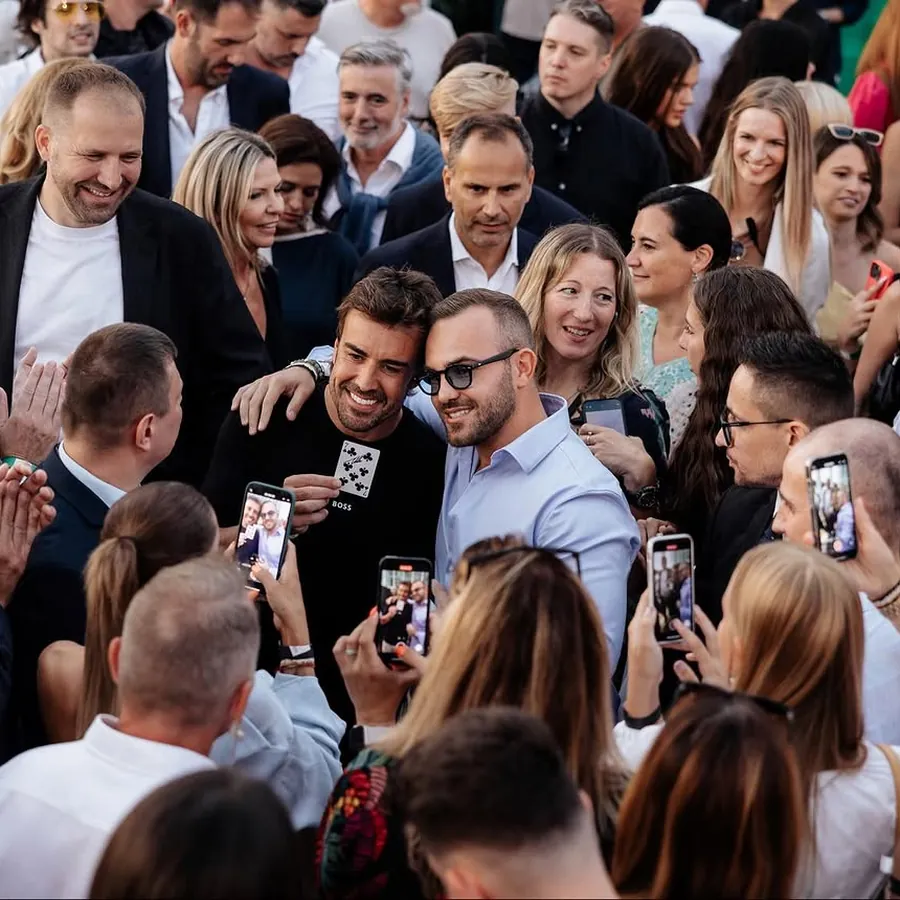
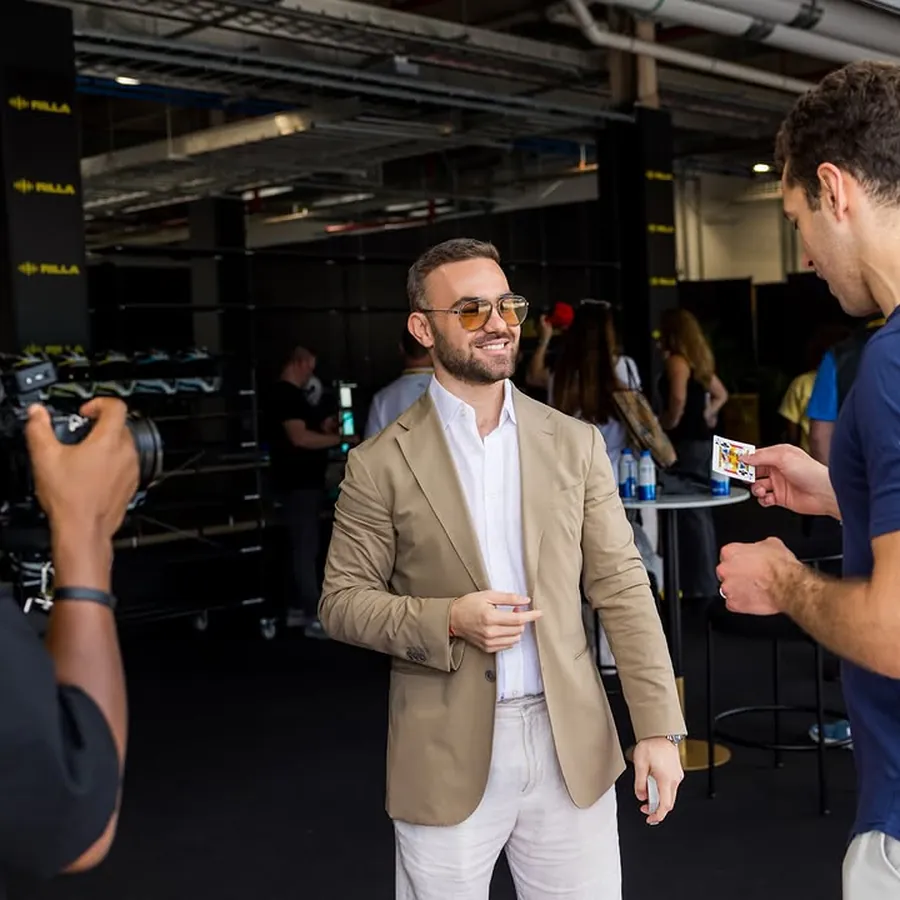
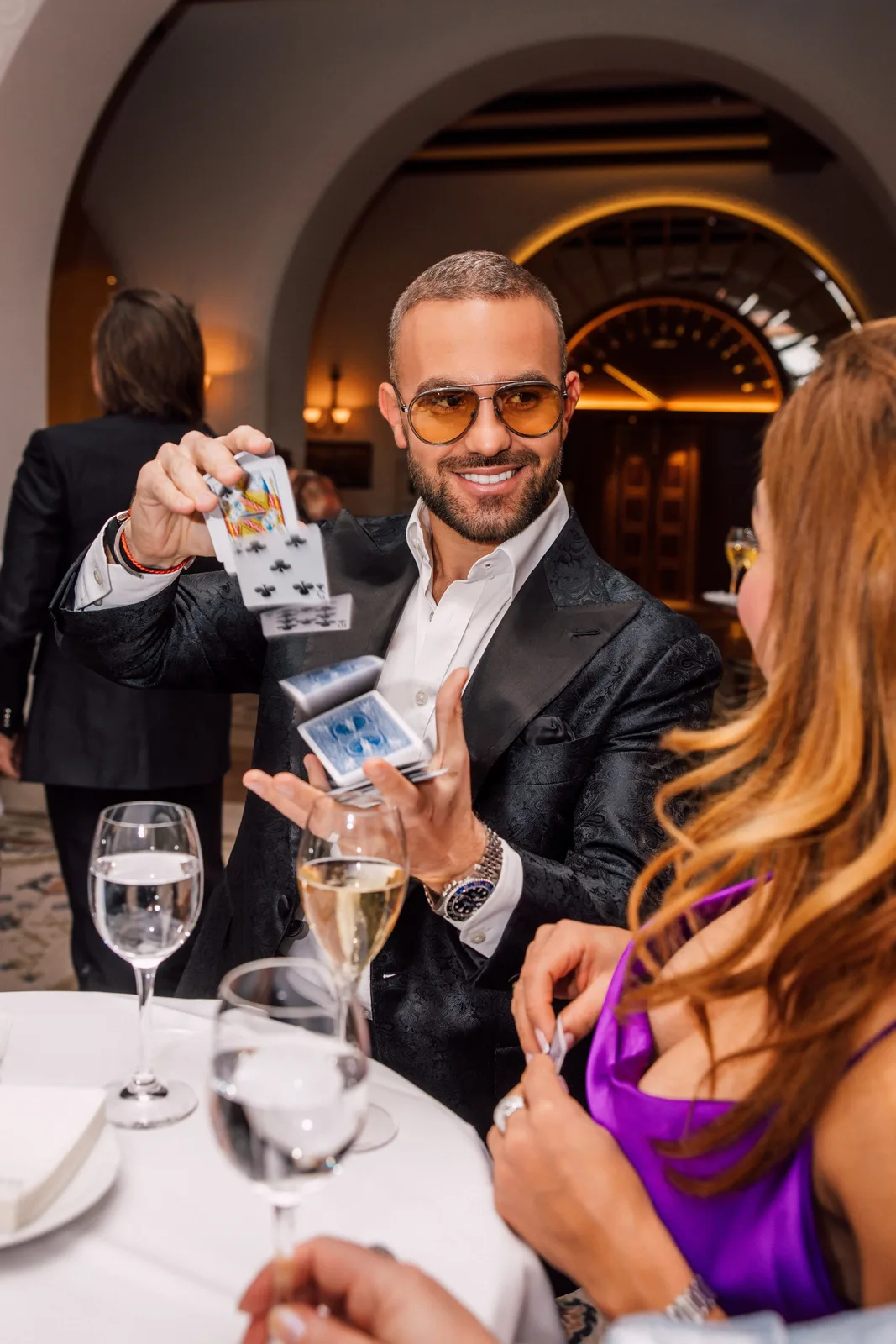
Close-up magic, guest to guest
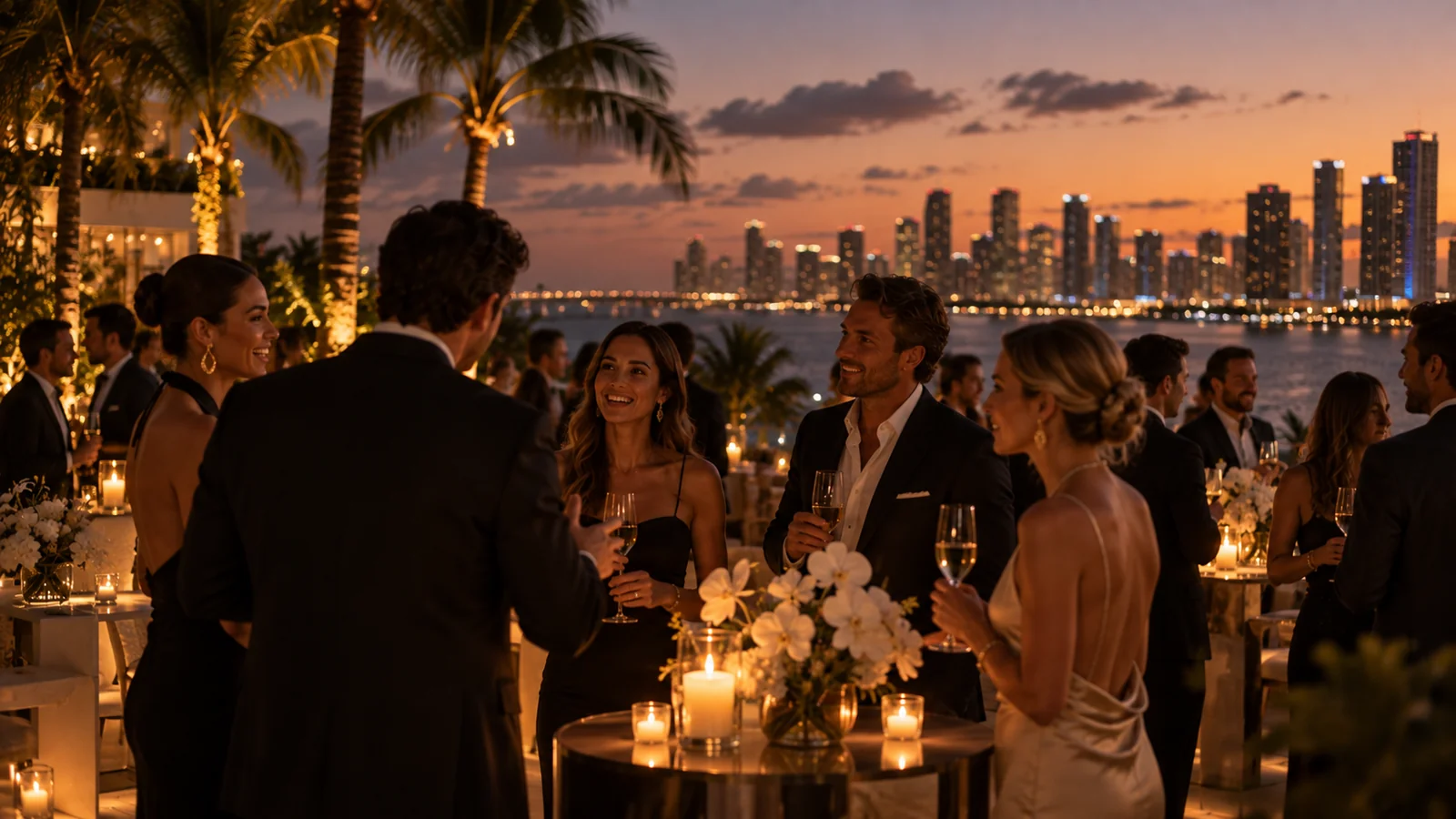
Where it fits: The arrivals hour, the reception and the gaps between courses — the parts of the evening with no programme in them.
What it needs: Nothing from the venue: no stage, no sound, no power, no slot in the running order.
In Miami: On a rooftop, a yacht or a terrace it is the one format that survives the production schedule unchanged. This is Matteo's own format, from $3,500.
02
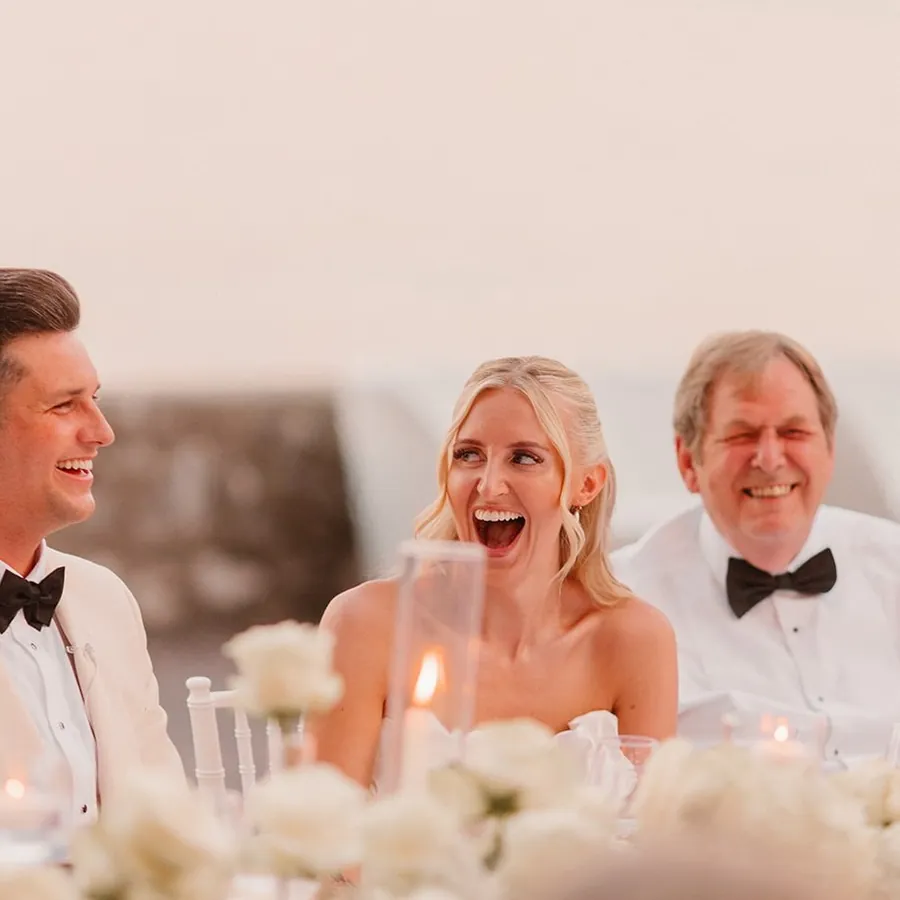
Mentalism set piece
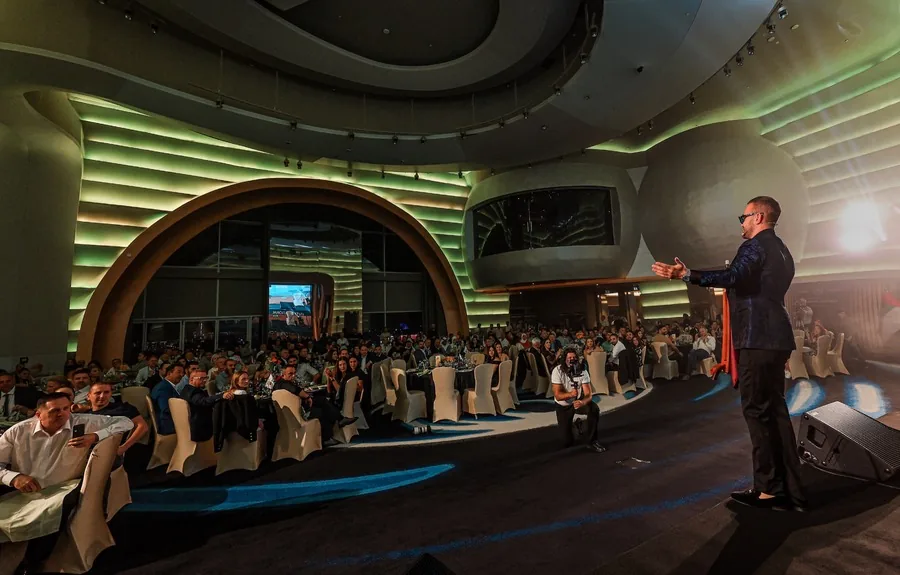
Where it fits: The single shared moment after dinner — twenty to thirty minutes, seated, for the whole room.
What it needs: A room that can sit and listen; a microphone above about eighty guests. No set, no screen.
In Miami: Built for client dinners and leadership evenings where the point is a story the account team can refer back to for a year. Matteo's format, from $4,000; combined with close-up through drinks, from $4,500.
03
Live band or duo
Where it fits: After the formal part, when the room should stand up and talk loudly.
What it needs: A stage or a corner, a sound system, power, a soundcheck and a slot in the running order.
In Miami: Miami's venues have the stages; the constraints are the AV schedule and the noise ceiling on terraces and rooftops. It does nothing for the arrivals hour.
04
DJ
Where it fits: The last ninety minutes, once the evening has become a party.
What it needs: Sound, power and a floor people are willing to use.
In Miami: Strongest at the end, invisible at the start. In a seated-dinner programme a DJ is usually the second booking, not the first.
05
Emcee or host
Where it fits: Awards, presentations and panels — anything with a running order to hold together.
What it needs: A programme worth hosting, a stage and a microphone.
In Miami: Only as good as the agenda. The right host shortens an awards evening; the wrong one lengthens it. Not entertainment in itself, and should not be budgeted as if it were.
06
Keynote or guest speaker
Where it fits: The daytime session, or the formal centre of a dinner.
What it needs: A stage, AV, and thirty to forty-five minutes of the room's undivided attention.
In Miami: A speaker owns the agenda; nothing can run alongside. In Miami the fee is often the single largest line, which is why it pairs with an interval format rather than a second headline act.
07
Aerial, dance or visual production
Where it fits: A reveal — a launch, a gala's opening, the moment the brand wants photographed.
What it needs: Rigging points, ceiling height, lighting, rehearsal time and a venue that permits it.
In Miami: Spectacular where the venue was built for it; a Miami Beach ballroom usually qualifies, a yacht or a rooftop usually does not. Budget the production, not just the act.
08
Photo, immersive or brand activation
Where it fits: The whole evening, as a background layer guests drift through.
What it needs: Floor space, power, a build day and brand sign-off.
In Miami: Generates content rather than attention. It pairs with a live format; it does not replace one, because nobody remembers an activation as the evening.
Most Miami programmes that work use two of these: one for the room, one for the intervals. If the budget allows only one and the evening is a seated dinner or a conference reception, the interval format usually earns more of the night; if it is a party with dancing, the music is the priority and a performer covers the hour before it starts.